Alvin Meng named 2026 Hertz Fellow
The Hertz Fellowship is the nation’s most competitive doctoral fellowship in science and technology.
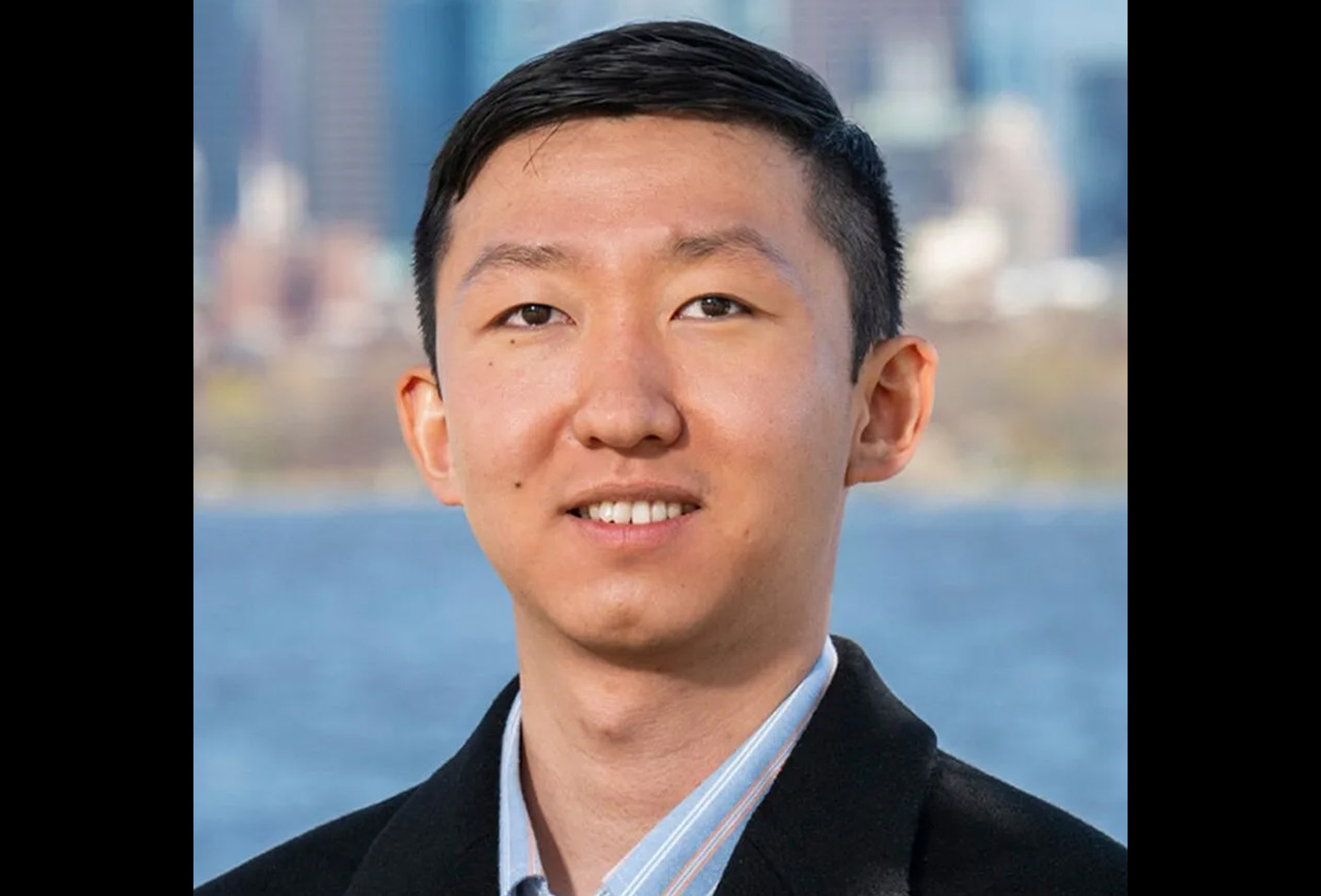
Alvin Meng, a PhD candidate in the lab of Arthur Amos Noyes Associate Professor Daniel L.M. Suess, has been selected as one of 19 recipients of the 2026 Hertz Fellowship.
Awarded through a rigorous selection process honed over eight decades, the Fannie and John Hertz Foundation Hertz Fellowship is the nation’s most competitive doctoral fellowship in science and technology. Hertz Fellows receive up to five years of financial support — including a stipend and full tuition equivalent — offering the rare freedom to pursue bold ideas within a community of influential peers dedicated to their success.
The 2026 Hertz Fellows are pursuing solutions to some of the most pressing challenges in science and technology, including developing RNA-based tools to combat multidrug-resistant bacteria, building a satellite mission to locate the universe’s missing matter, creating AI systems that learn and reason like humans, and advancing quantum simulation to probe questions once thought purely theoretical. Like every Hertz Fellow since 1963, the newest recipients make a moral commitment to support the United States in times of national emergency.
“Year after year, the Hertz Fellowship identifies individuals whose ambitions go far beyond personal achievement. This class is no exception,” said Stephen Fantone, chair of the Hertz Foundation board of directors and president and CEO of Optikos Corporation. “Our newest Hertz Fellows are committed to solving problems that matter for our national security, our health, and our future.”
Prior to MIT, Meng earned undergraduate degrees in chemistry and mathematics from the University of Virginia, where he worked in the research group of Professor W. Dean Harman. His research involved the synthesis and characterization of dihapto-coordinated tungsten complexes of cyclopentadiene, focusing on a class of unusual binuclear species containing a carbon–carbon bond linking two metal-bound five-membered rings.
Today, Meng’s research in the Suess Lab focuses on understanding the fundamental interactions underlying chemical structure and reactivity.