

Nanoscale mechanics could enable brain-inspired computing
A new device uses reconfigurable motion to mimic the firing behavior of a neuron, which could lead to more efficient computing.
Read the Article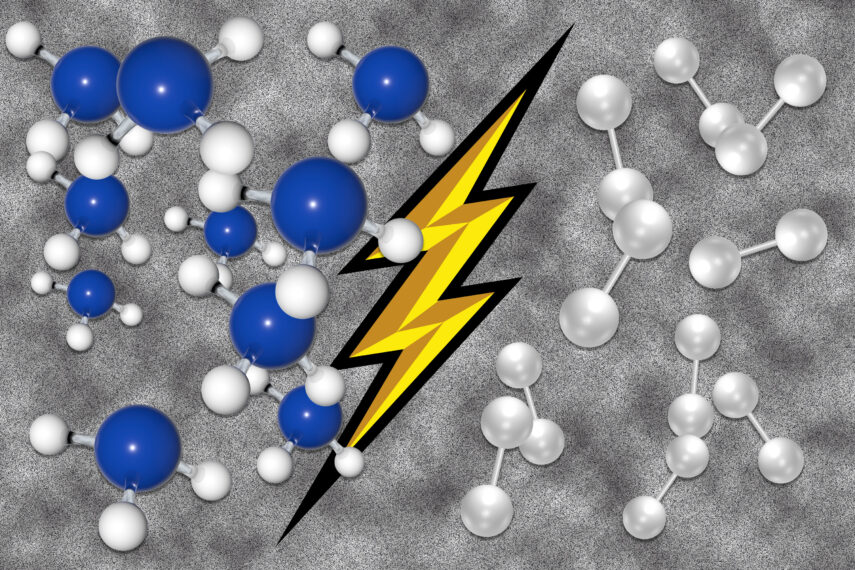
An electrochemical approach turns ammonia into pure hydrogen
An MIT team has demonstrated a more efficient way to extract pure hydrogen gas from hydrogen carrier molecules.
Read the Article
Graduate Student Spotlight: Jordan Bench
Chemistry Graduate Student Jordan Bench describes his research and answers 20 random questions as part of the Graduate Student Spotlight series.
Read the Article
AI helps design new materials that work in the real world
The “CrysVCD” tool developed at MIT could cut the huge amounts of time and money spent on screening out chemically unstable designs.
Read the Article
Department of Chemistry seeks Assistant Professor Candidates
To receive full consideration, completed applications must be received by October 8, 2026.
Read the Article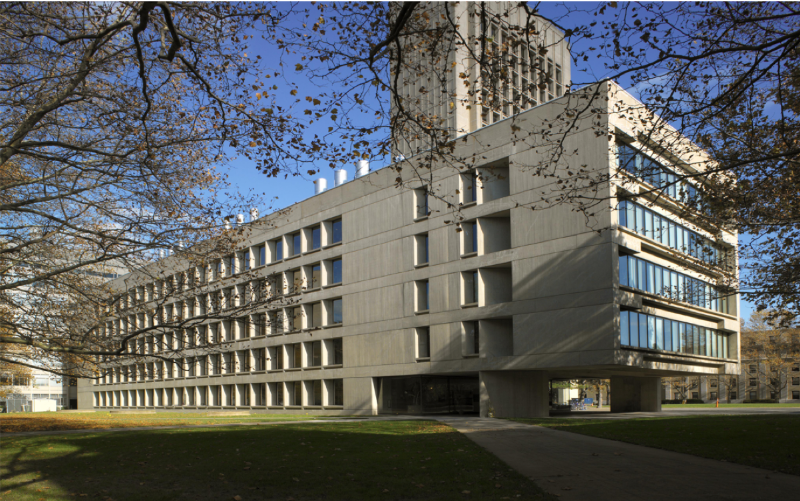
Outstanding Teachers to be honored with Department of Chemistry awards for Teaching, Graduate Grading, Research, and Leadership
These awards are given annually in recognition of outstanding contributions to teaching by Graduate Students and Postdoctoral Researchers.
Read the Article
Paving the way for greener ammonia production
New MIT research could lead to better materials for a fossil-fuel-free process for making the chemical that's essential to fertilizer and other products.
Read the Article
MIT selected to lead new NSF materials research center
The Materials Research Science and Engineering Center unites experts to advance medical imaging, sustainable metal production, and electronics.
Read the Article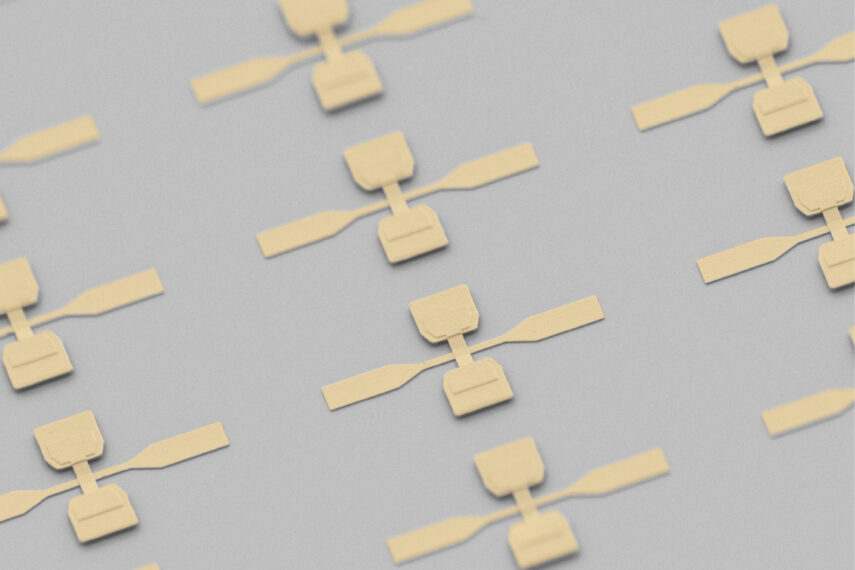
Turning molecules into reliable electronic devices
A new fabrication platform integrates molecules into electronic devices, opening the door to emerging computing technologies.
Read the Article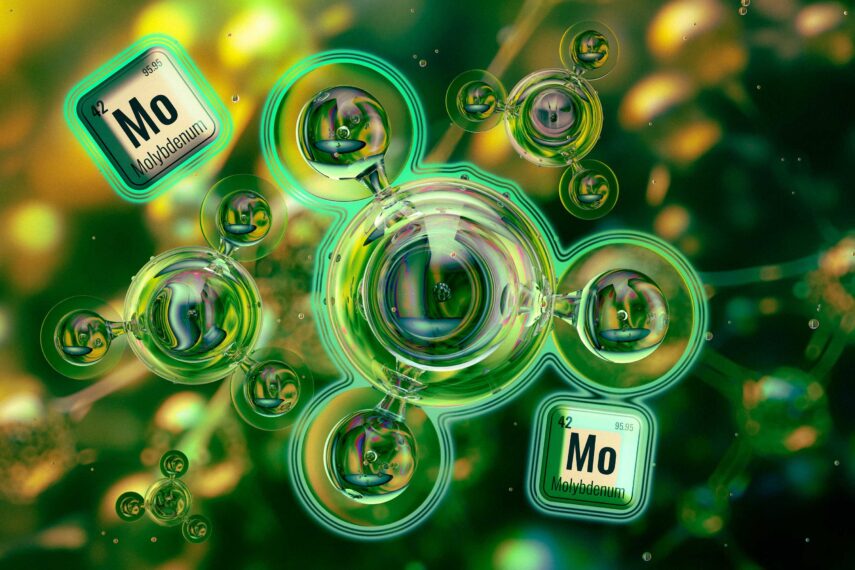
Why some nitrogen-processing enzymes are more efficient than others
New findings could help researchers design synthetic catalysts that convert nitrogen gas to ammonia, a key step in fertilizer production.
Read the Article
Graduate Student Spotlight: Gregory Valtierra
Chemistry Graduate Student Gregory Valtierra describes his research and answers 20 random questions as part of the Graduate Student Spotlight series.
Read the Article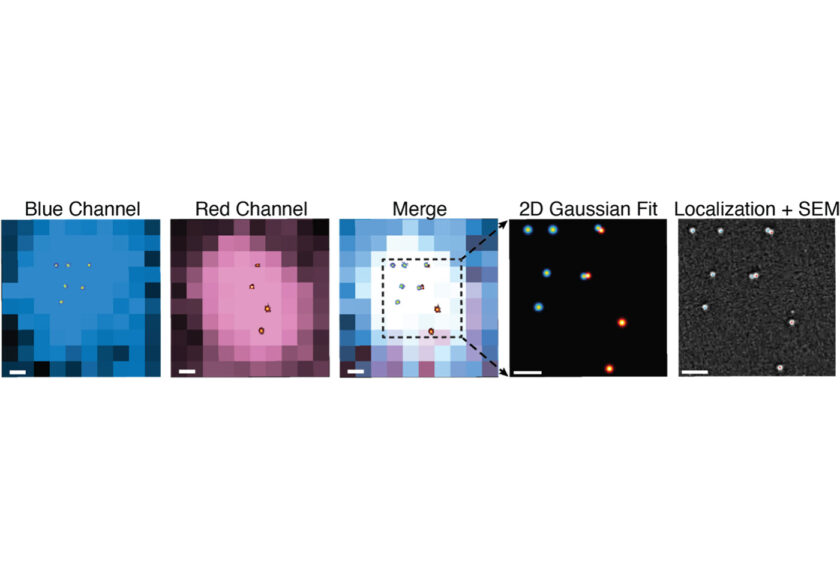
MIT and Broad Institute Researchers Break Diffraction Barrier in Super-Resolution Microscopy
A surprising discovery in optical materials allows scientists to visualize the molecular machinery of life with exceptional detail and simplified equipment.
Read the Article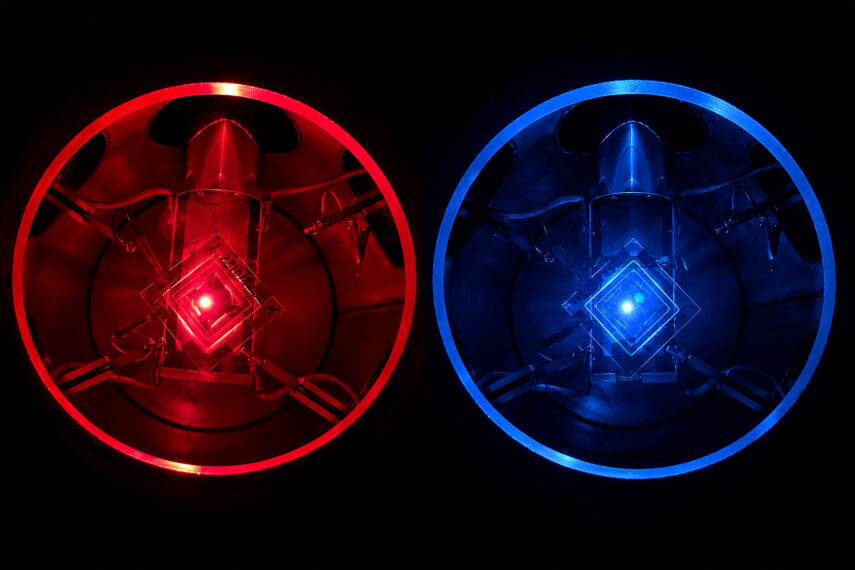
Discovery could lead to brighter, more energy-efficient digital displays
Researchers found a simple solution for extending the lifespans of LEDs made from glowing microscopic particles called quantum dots.
Read the Article