The XtalPi AI for Science Fellowships are the manifestation of a gift from XtalPi, a biotechnology company founded by former MIT postdoctoral researchers, to the MIT Departments of Chemistry and Chemical Engineering.
XtalPi (pronounced “Ex-tal Pi”) AI for Science Fellowships are designed to fund students and postdocs working at the intersection of Chemistry/Chemical Engineering and machine learning, artificial intelligence, and automation. Projects related to small molecule discovery and chemical synthesis are especially encouraged.
The XtalPi AI for Science Fellowship program supports 4-5 graduate fellows per year. Awardees will receive a fellowship for one year that covers graduate student tuition, benefits, and stipend. XtalPi AI for Science Fellowships will begin on September 1 of the Academic Year.
Applications for the 2027–2028 Fellowships will open in the Spring of 2027.
Current XtalPi AI for Science Fellows
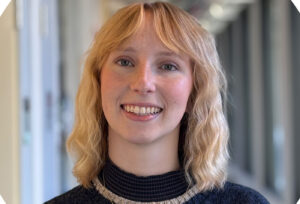
Giselle Brown, Chemistry
Giselle Brown
“Targeting High-Impact Reaction Discovery Through Synthetic Route Analysis”
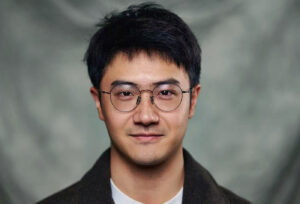
Wenlai Han, Chemistry
Wenlai Han
“Decoding Dynamics in Network Synthesis”
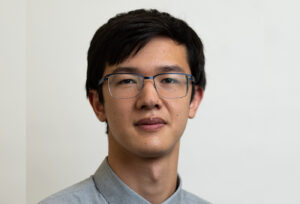
Aaron Garrison, Chemical Engineering
Aaron Garrison
“Improving ab initio descriptions of transition metal complexes with machine learning”
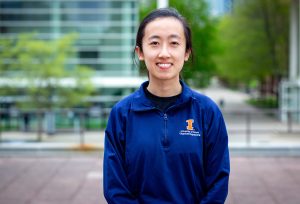
Yuhze Wang, Chemistry
Yuzhe Wang
“Machine learning-guided ligand design of PolyMOC gels for PFAS removal”
About the Program
Candidates for the XtalPi AI for Science Fellowship are:
Currently enrolled as a graduate student in Chemistry or Chemical Engineering
Have completed at least one year of graduate study by September 1, 2026
Not otherwise supported by a fellowship
Preferred: Established track record of working at the intersection of Chemistry or Chemical Engineering with Machine Learning, Artificial Intelligence, or Automation
XtalPi AI for Science Fellows will be expected to participate in a poster session at the conclusion of the fellowship year.
Application Components
A cover letter detailing your name, research advisor, home department, year of graduation, and title of propisal.
A resume or CV
A 1-page* research summary that describes past work by the candidate that is relevant to the proposed research. a. Include evidence of ability to work at the intersection of Chemistry or Chemical Engineering with Machine Learning, Artificial Intelligence, or Automation.
A 2-page* research proposal that describes the research project to be conducted. a. Include any preliminary results (optional; not expected), research methodology, scientific questions to be answered, and metrics for success.
A 1-paragraph description of how an automated synthesis facility, broadly defined, could be enabling for the proposed research. a. Describe what capabilities would be desired in such a facility. This component is for informational purposes only and will not be used to make award decisions.
A letter of recommendation from the research advisor that will oversee the proposed work. a. For co-advised students, letters from both advisors should be submitted. Letters will be submitted separately from the rest of the application materials.
*Page formatting: 11-point, Arial, 12-point Times New Roman, or 10-point Computer Modern font; 1-inch margins on all sides. All figures should be included within the page limits but references may be included on a separate page(s).
Submission Instructions
Student applicants should email a single PDF to xtalpifellows@mit.edu, with the subject line “Application for XtalPi Fellow”. This PDF should contain, in order, application components 1–5. Format the filename of the PDF as “Lastname_Firstname_XtalPiFellow.PDF”. Advisors should email a letter of recommendation to xtalpifellows@mit.edu, with the subject line “LOR for XtalPi Fellow”.
All application materials are due at 11:59pm on June 21, 2026.
Any questions regarding application submission or the fellowship program can be directed to xtalpifellows@mit.edu.
Steering Committee
Connor W. Coley, Co-Director Class of 1957 Career Development Professor; Associate Professor of Chemical Engineering, Electrical Engineering and Computer Science
Masha Elkin, Co-Director D. Reid (1941) and Barbara J. Weedon Career Development Assistant Professor of Chemistry
Heather J. Kulik Lammot du Pont Professor of Chemical Engineering and Chemistry