
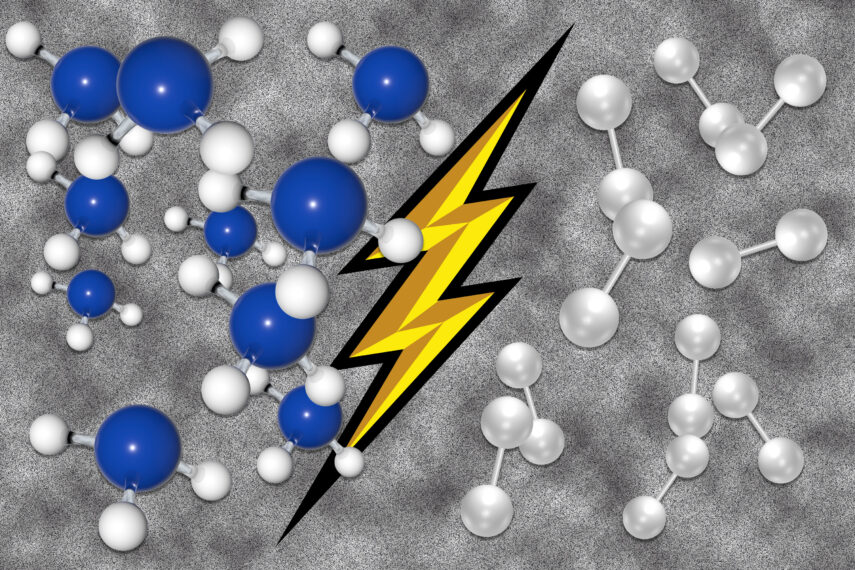
An electrochemical approach turns ammonia into pure hydrogen
An MIT team has demonstrated a more efficient way to extract pure hydrogen gas from hydrogen carrier molecules.
Read the Article
MIT selected to lead new NSF materials research center
The Materials Research Science and Engineering Center unites experts to advance medical imaging, sustainable metal production, and electronics.
Read the Article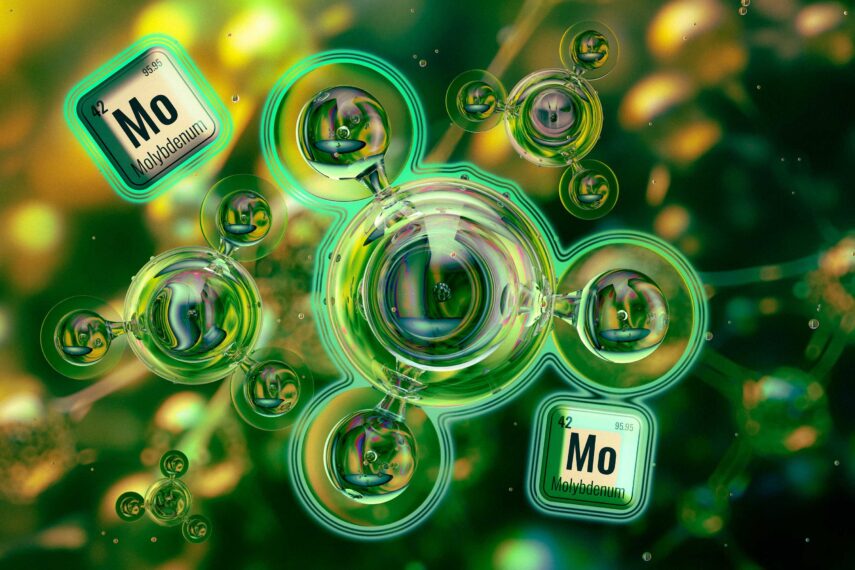
Why some nitrogen-processing enzymes are more efficient than others
New findings could help researchers design synthetic catalysts that convert nitrogen gas to ammonia, a key step in fertilizer production.
Read the Article
Scientists find ozone depletion began decades before discovery of ozone hole
Researchers determined that carbon tetrachloride, used as a dry-cleaning and degreasing agent as early as the 1930s, was at the root of early ozone loss.
Read the Article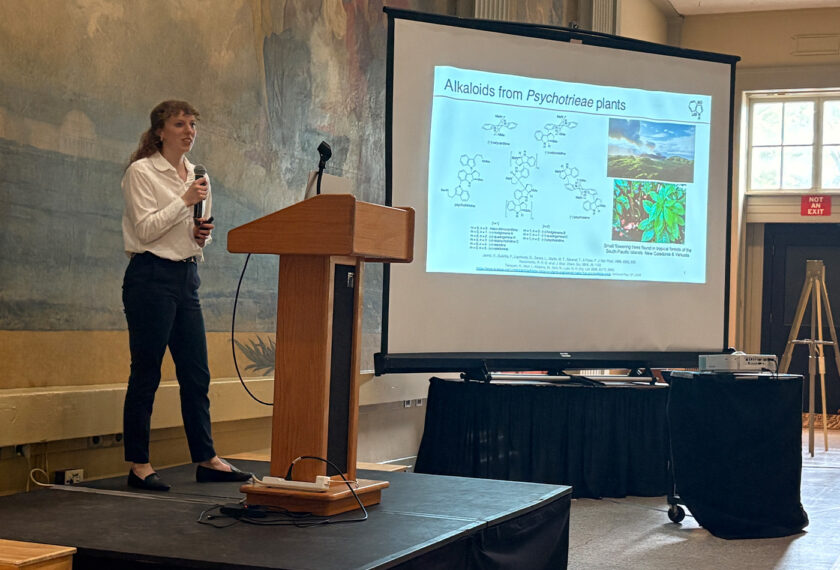
MIT Chemistry Hosts 9th Annual Denmark Organic Retreat, Sponsored by Scott Denmark (SB ’75)
The 9th Annual Denmark Organic Retreat, sponsored by Scott Denmark (SB '75), was held on June 12, 2026.
Read the Article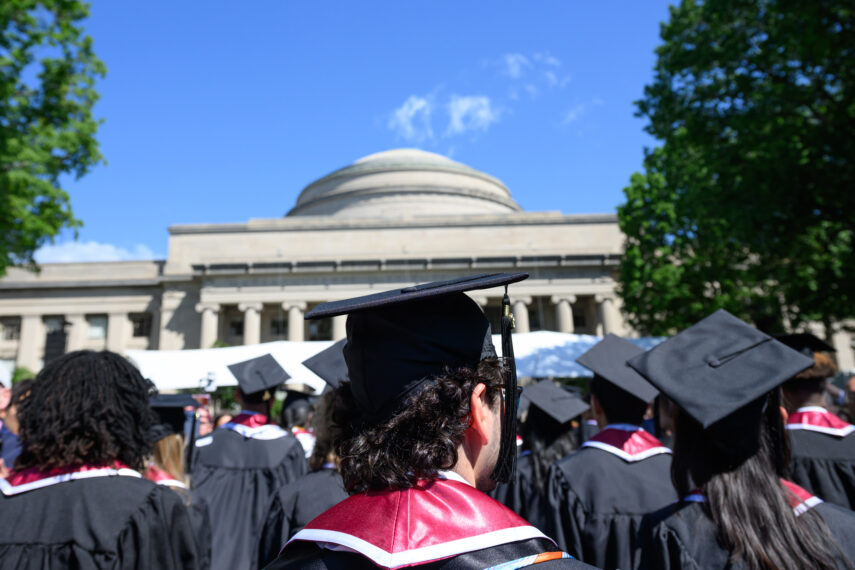
QS ranks MIT the world’s No. 1 university for 2026-27
Ranking at the top for the 15th year in a row, the Institute also places first in 12 subject areas.
Read the Article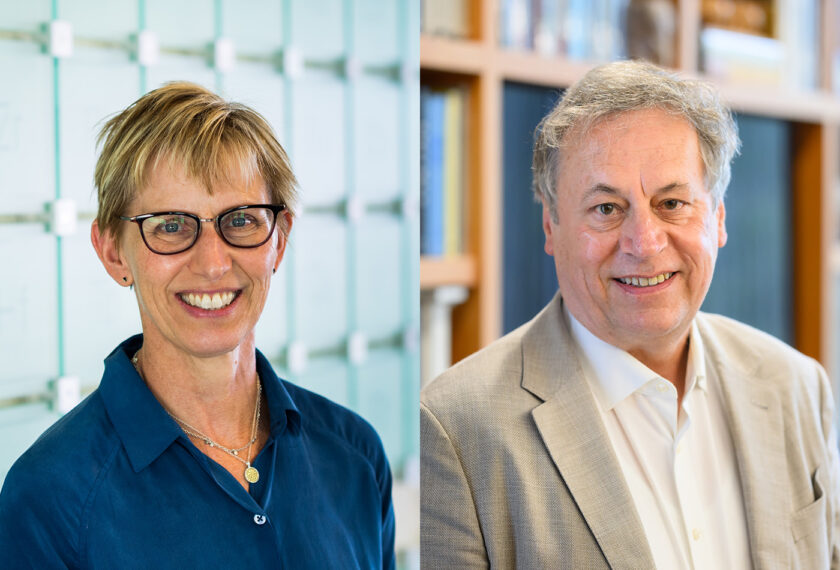
Laura L. Kiessling and Ronald T. Raines Named van ’t Hoff Lectureship Award Recipients
This prestigious award is named for the first Nobel laureate in Chemistry.
Read the Article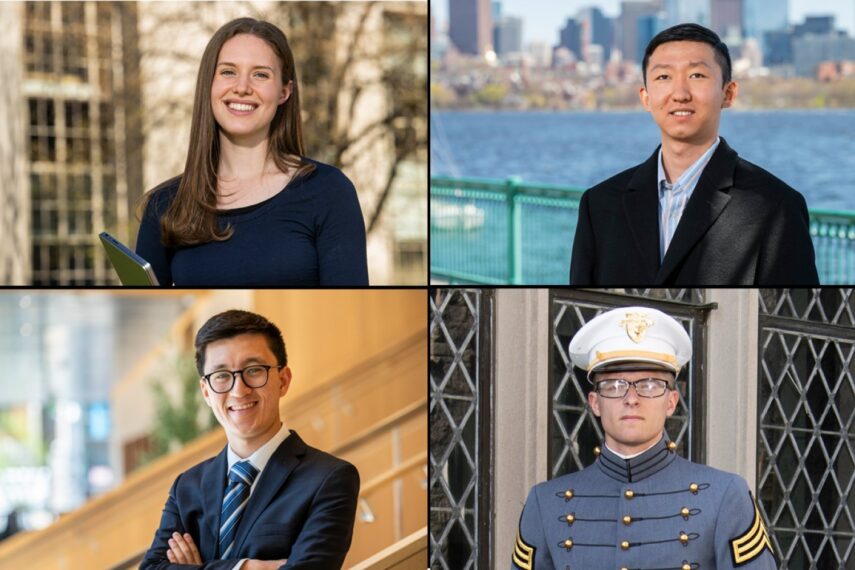
MIT affiliates win 2026 Hertz Foundation Fellowships
The fellowships recognize doctoral students who are pursuing solutions to the most pressing challenges in science and technology.
Read the Article
MIT chemists design impact-resistant plastics
Introducing weaker bonds into polystyrene and rubber helps these materials dissipate energy, making them more resistant to destructive forces.
Read the Article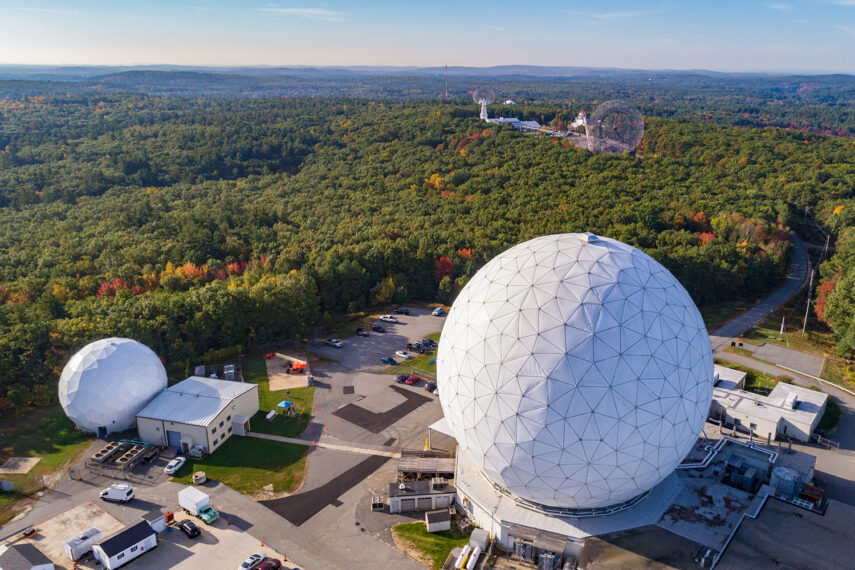
The Haystack 37m Telescope: A new era of astrophysical research
The legendary radio astronomy telescope returns to its science and educational mission at MIT Haystack Observatory.
Read the Article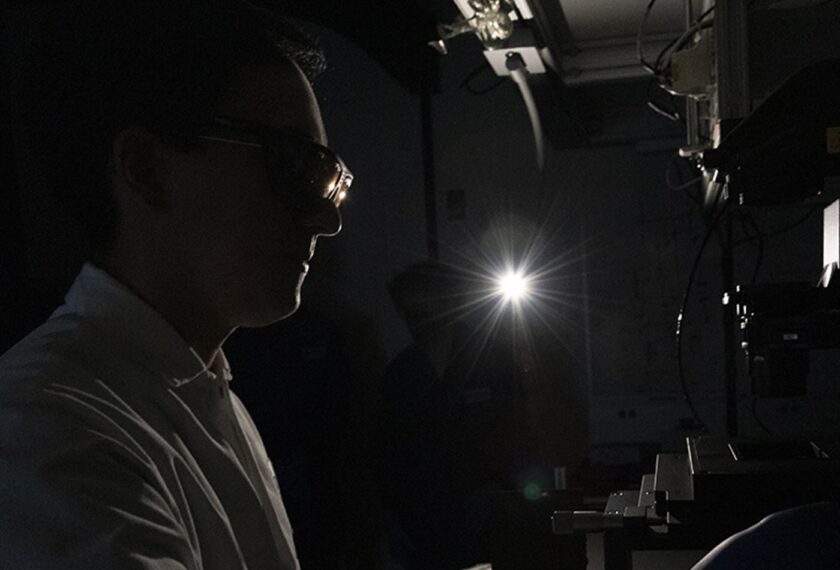
Single-molecule tracker illuminates workings of cancer-related proteins
Researchers use custom-built microscopy and nanotechnology to tag and follow the activity of individual proteins in real time.
Read the Article
MIT affiliates elected to the American Academy of Arts and Sciences for 2026
The prestigious honor society honors four MIT faculty and 13 additional MIT alumni among more than 250 new members.
Read the ArticleDr. Danny Thach to join the Chemistry Faculty
Thach appointed as an Assistant Professor in the Department of Chemistry.
Read the Article