

Nanoscale mechanics could enable brain-inspired computing
A new device uses reconfigurable motion to mimic the firing behavior of a neuron, which could lead to more efficient computing.
Read the Article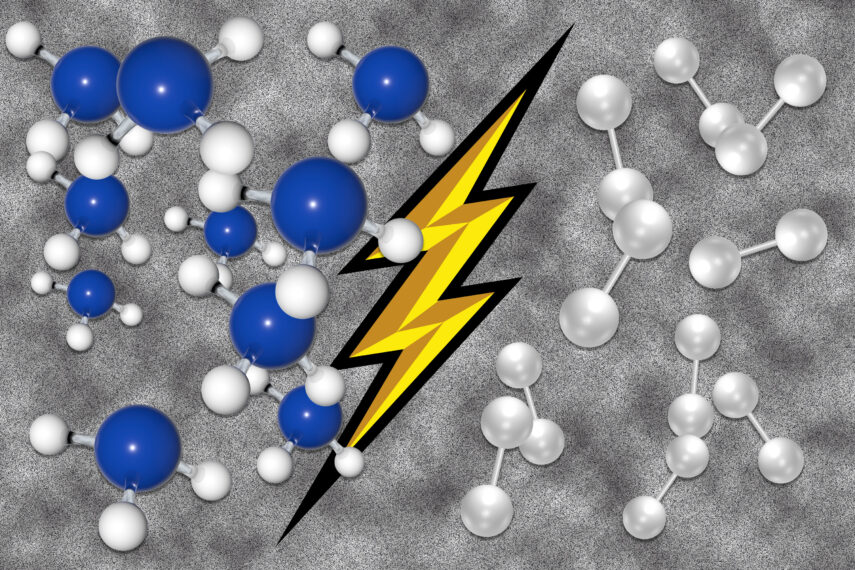
An electrochemical approach turns ammonia into pure hydrogen
An MIT team has demonstrated a more efficient way to extract pure hydrogen gas from hydrogen carrier molecules.
Read the Article
Department of Chemistry seeks Assistant Professor Candidates
To receive full consideration, completed applications must be received by October 8, 2026.
Read the Article
Xiao Wang receives 2027 Eli Lilly Award in Biological Chemistry
Wang was chosen in recognition of her fundamental research in Biological Chemistry.
Read the Article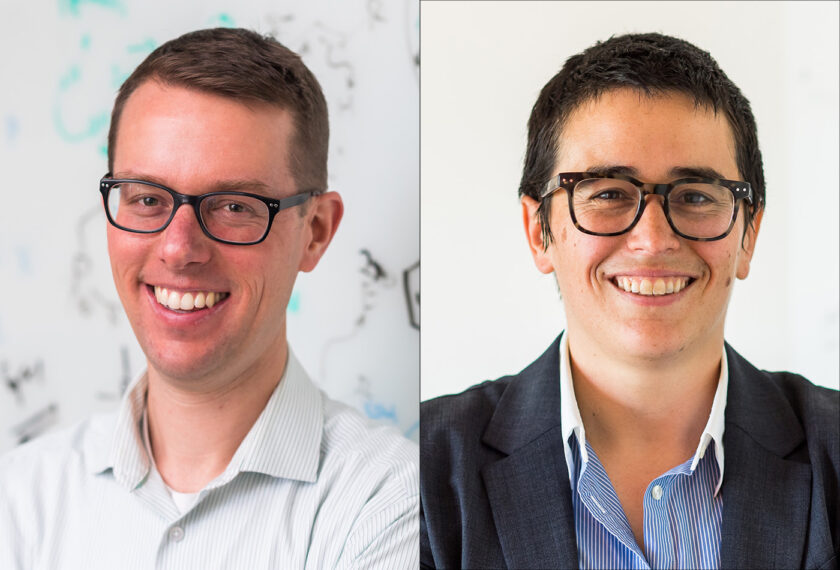
Alexander T. Radosevich and Alison Wendlandt named Arthur C. Cope Scholars
The Arthur C. Cope Scholar Awards recognize and encourage excellence in organic chemistry.
Read the Article
MIT selected to lead new NSF materials research center
The Materials Research Science and Engineering Center unites experts to advance medical imaging, sustainable metal production, and electronics.
Read the Article
Turning molecules into reliable electronic devices
A new fabrication platform integrates molecules into electronic devices, opening the door to emerging computing technologies.
Read the Article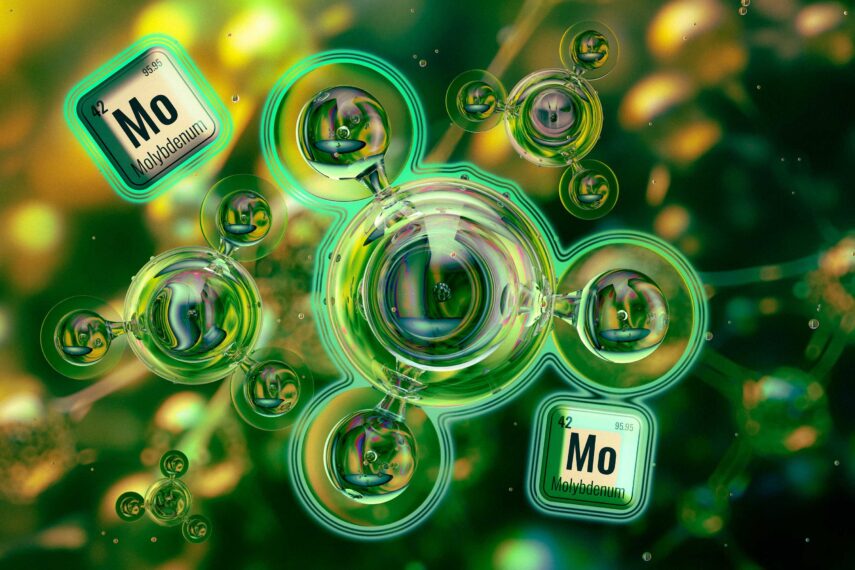
Why some nitrogen-processing enzymes are more efficient than others
New findings could help researchers design synthetic catalysts that convert nitrogen gas to ammonia, a key step in fertilizer production.
Read the Article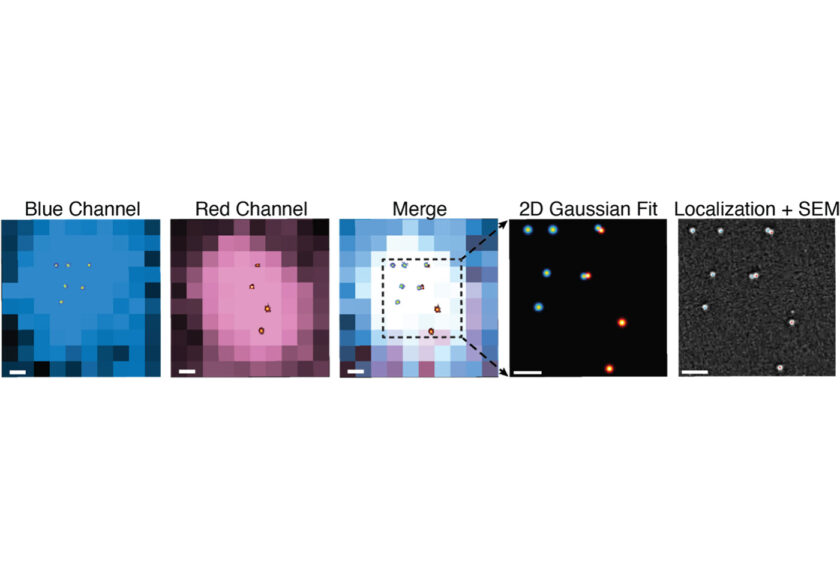
MIT and Broad Institute Researchers Break Diffraction Barrier in Super-Resolution Microscopy
A surprising discovery in optical materials allows scientists to visualize the molecular machinery of life with exceptional detail and simplified equipment.
Read the Article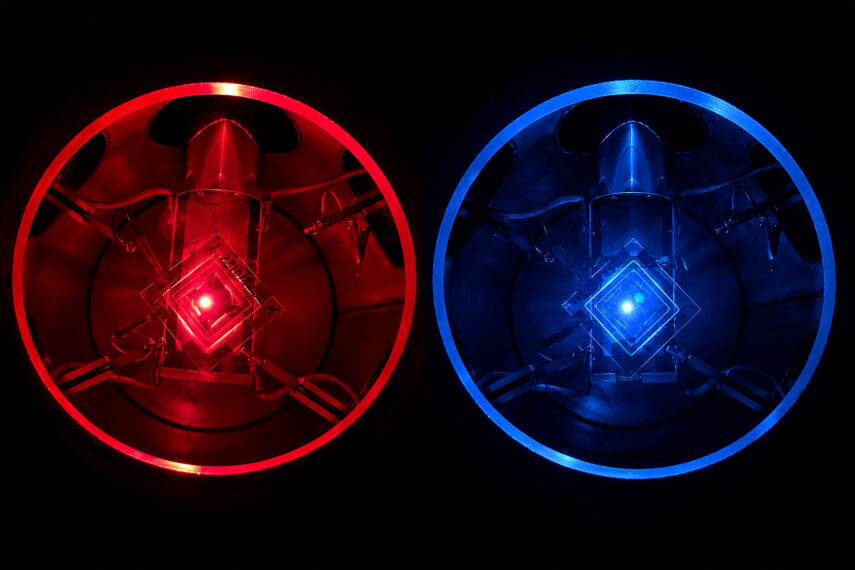
Discovery could lead to brighter, more energy-efficient digital displays
Researchers found a simple solution for extending the lifespans of LEDs made from glowing microscopic particles called quantum dots.
Read the Article
Scientists find ozone depletion began decades before discovery of ozone hole
Researchers determined that carbon tetrachloride, used as a dry-cleaning and degreasing agent as early as the 1930s, was at the root of early ozone loss.
Read the Article
Susan Solomon named 2026 Tang Prize laureate
Solomon’s research has helped lay steps towards recovery of the ozone layer and demonstrated the lasting impacts of carbon emissions on Earth’s climate.
Read the Article
MIT chemists design impact-resistant plastics
Introducing weaker bonds into polystyrene and rubber helps these materials dissipate energy, making them more resistant to destructive forces.
Read the Article