Skip to content
  • Seminars
  • Contact
  • Diversity
  • Login
MIT Chemistry Homepage
  • About
    • Staff & Faculty Directory
    • Disability Accommodations
    • Diversity, Equity, and Inclusion Committee
    • Major Awards
    • Our Community Values
    • Our History
    • Quality of Life Committee
  • Safety
  • Faculty & Research
    • Faculty
    • Areas of Research
    • Facilities and Centers
    • Instructors
    • Postdoctoral Research and Resources
  • Academic Programs
    • Graduate Program
    • Undergraduate Programs
    • Chemistry Undergraduate Teaching Laboratory
    • Classes
    • Our Chemistry Education Office
  • Outreach
    • Elementary Schools
    • High Schools
    • Community Relations and Outreach
  • News
  • Support Chemistry
    • Contact our Development Officer
    • Funds to Support
    • Meet Our Major Supporters
    • XtalPi AI for Science Fellowships
  • About
    • Staff & Faculty Directory
    • Disability Accommodations
    • Diversity, Equity, and Inclusion Committee
    • Major Awards
    • Our Community Values
    • Our History
    • Quality of Life Committee
  • Safety
  • Faculty & Research
    • Faculty
    • Areas of Research
    • Facilities and Centers
    • Instructors
    • Postdoctoral Research and Resources
  • Academic Programs
    • Graduate Program
    • Undergraduate Programs
    • Chemistry Undergraduate Teaching Laboratory
    • Classes
    • Our Chemistry Education Office
  • Outreach
    • Elementary Schools
    • High Schools
    • Community Relations and Outreach
  • News
  • Support Chemistry
    • Contact our Development Officer
    • Funds to Support
    • Meet Our Major Supporters
    • XtalPi AI for Science Fellowships
  • Seminars
  • Contact
  • Diversity
  • Login

Innovation. Impact. Infinite Possibilities.

Sharing MIT's Tradition of Excellence, we commit to changing the world through research, education, and community efforts.

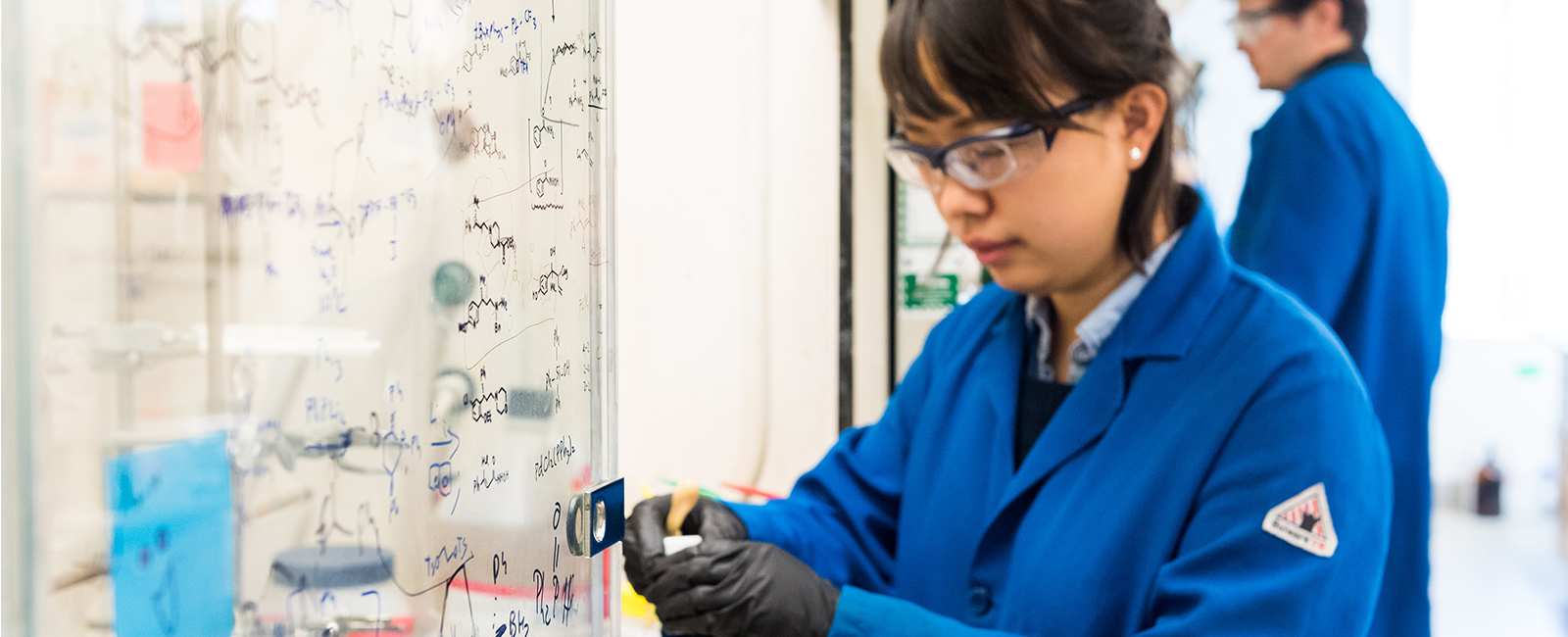
Two graduate students conduct research in a lab.
Our Research

News

All News Stories
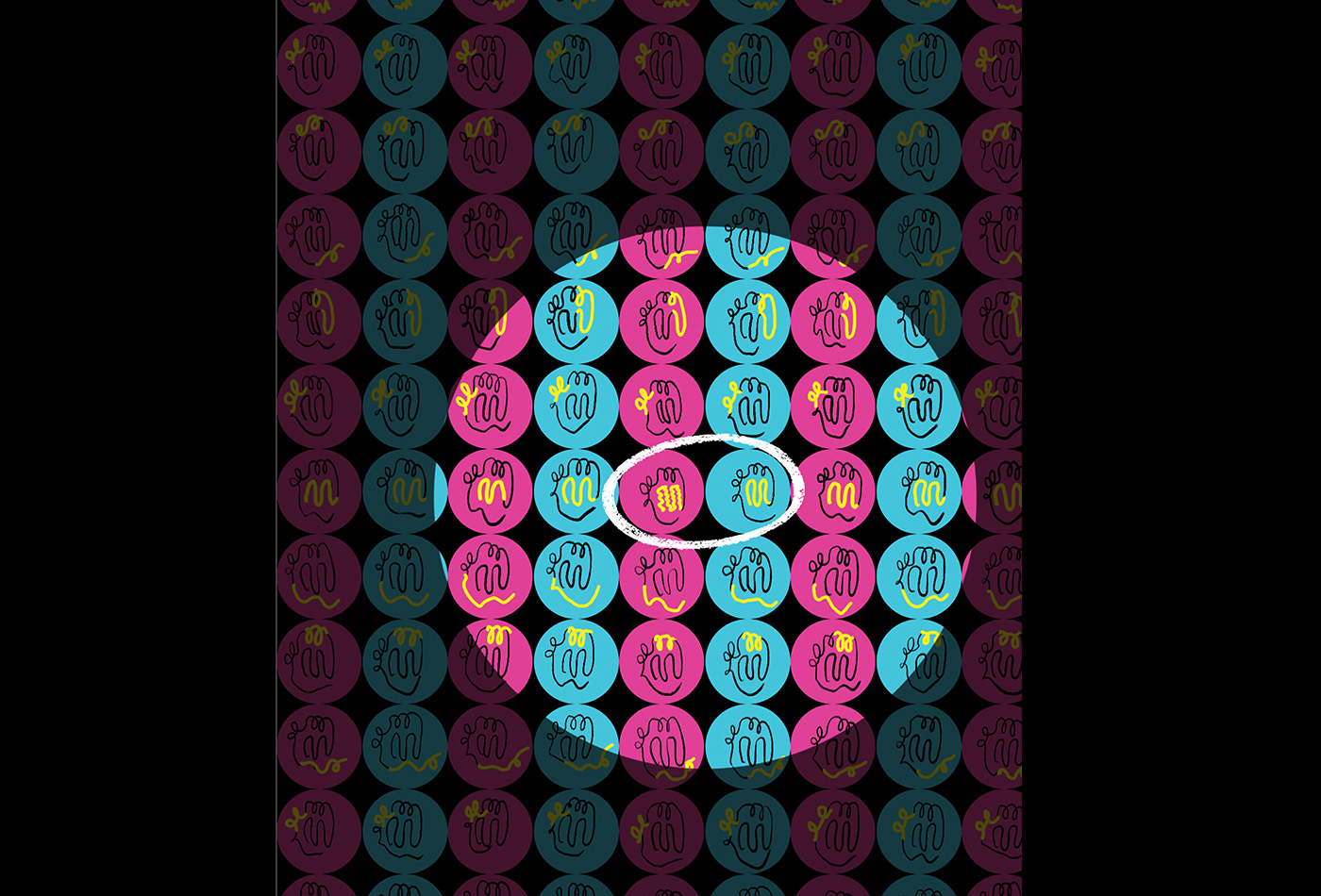
Rows and rows of pink and turquoise circles with sketches of variations of p53.

Cancer’s Secret Safety Net

Read the Article

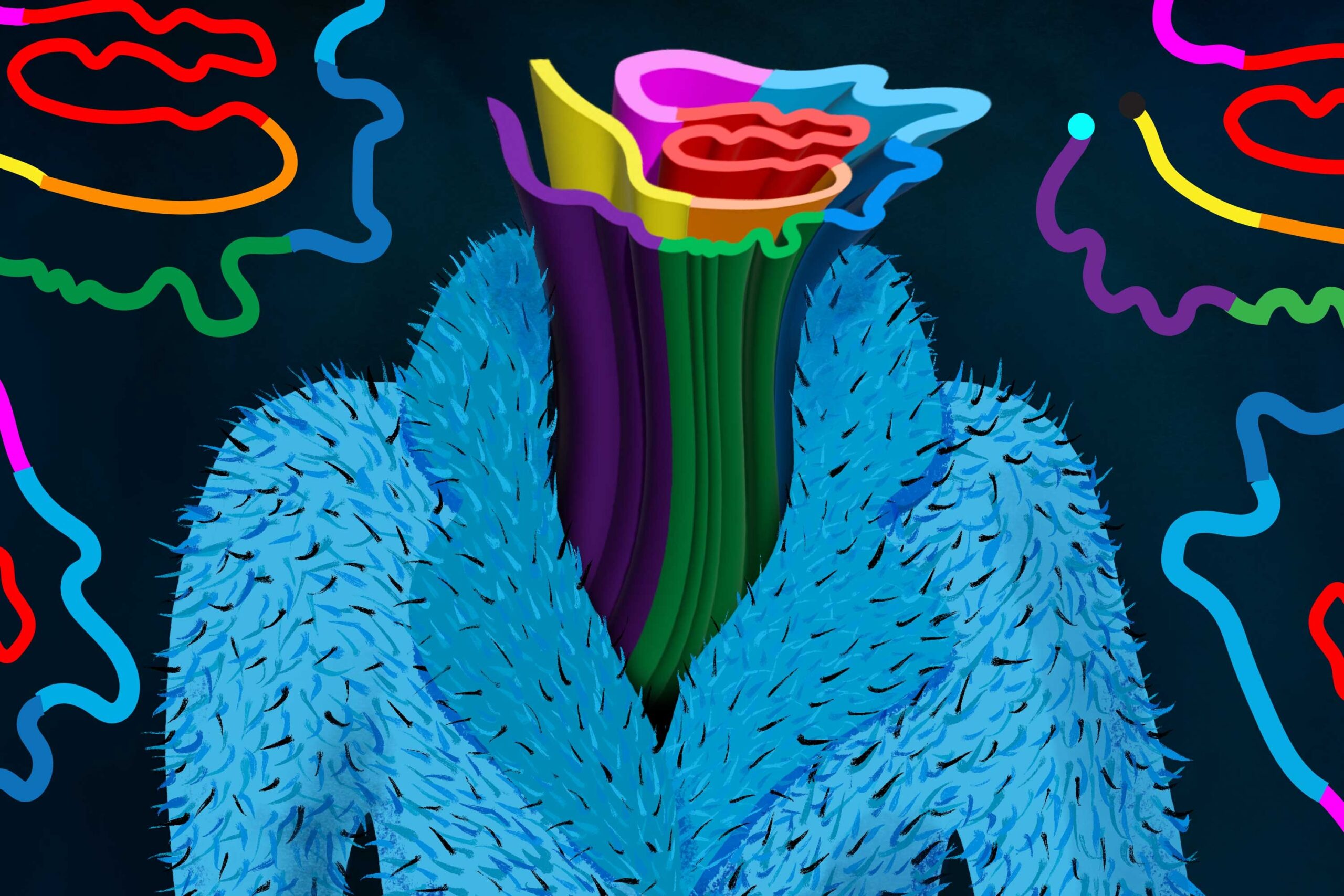
Chemists determine the structure of the fuzzy coat that surrounds Tau proteins

Read the Article
MIT chemists showed they can use nuclear magnetic resonance (NMR) to decipher the structure of the fuzzy coat that surrounds Tau proteins. The findings may aid efforts to develop drugs that interfere with Tau buildup in the brain.
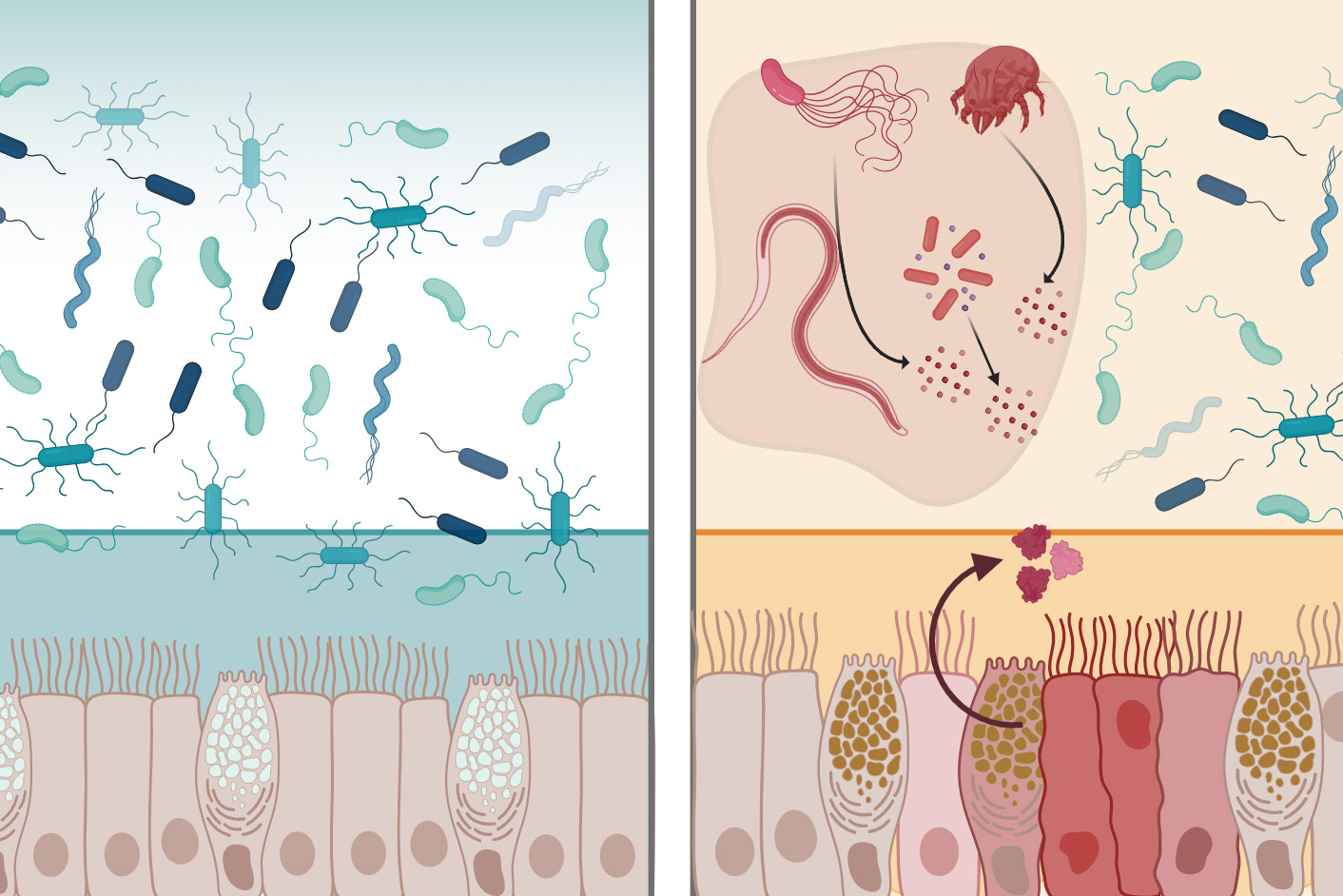
“What’s remarkable is that intelectin-2 (mltln2) operates in two complementary ways. It helps stabilize the mucus layer, and if that barrier is compromised, it can directly neutralize or restrain bacteria that begin to escape,” says Laura Kiessling. On left, mltln2 stabilizes the mucus layer on healthy tissue. On right, it neutralizes bacteria in an inflamed GI tract.

A protein found in the GI tract can neutralize many bacteria

Read the Article
All News Stories
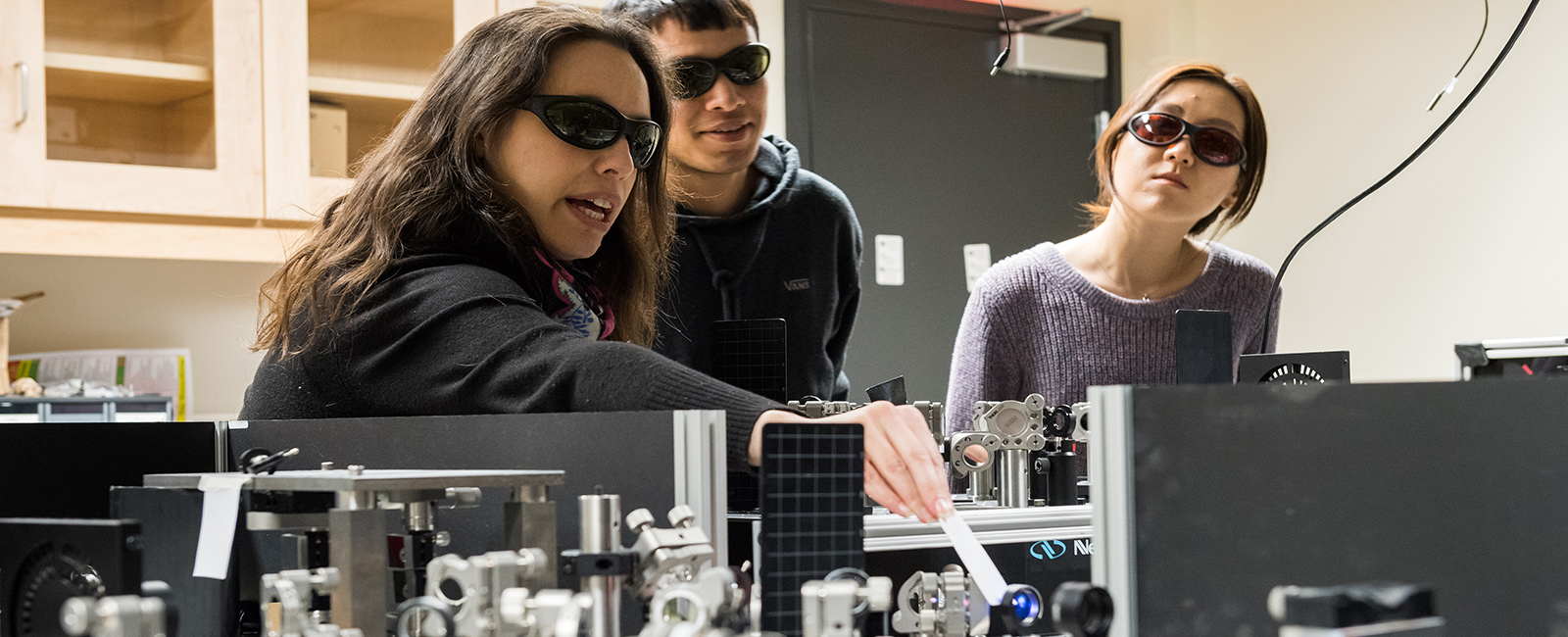
Two students look on as a professor indicates a laser beam with a pointer.
Our Faculty

Programs

All Academic Programs
"null"

Undergraduate

About the Program
"null"

Graduate

Learn about the Program

Postdoctoral Research

Learn about the Research
All Academic Programs
  • Support Chemistry

77 Massachusetts Ave., 18-393 | Cambridge, MA 02139 | 617-253-1803
For Emergencies | Accessibility
© 2018 MIT Department of Chemistry